2026-08-17 · Mark Delgado
Trenchless Versus Traditional Pipe Repair Cost Factors
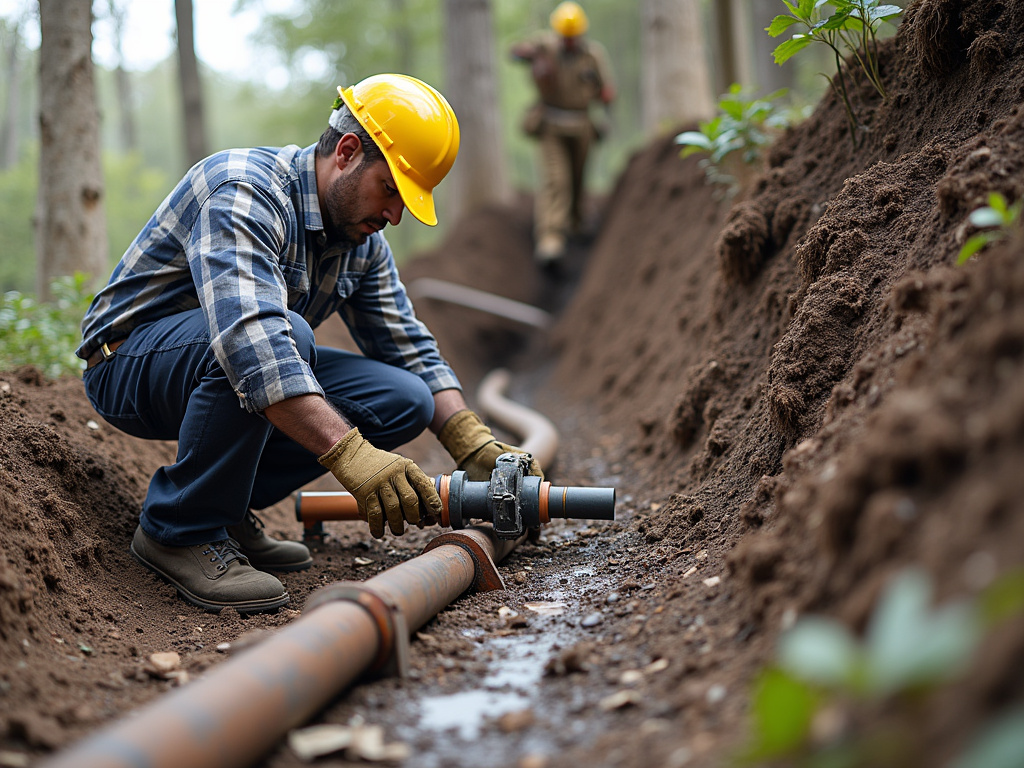
Trenchless pipe repair typically runs $4,000–$9,000 for a full lateral, while traditional dig-and-replace runs $5,000–$12,000+ once you factor in excavation, landscaping, and hardscape repair. The gap looks small on paper, but it grows fast once you account for what's sitting on top of the pipe. In Richardson, that's often a driveway, a mature oak root system, or a stretch of St. Augustine lawn that's expensive to restore — and that's where trenchless usually wins on true total cost, not just the line-item quote.
What Actually Drives the Cost Difference
The number on a quote is never just about pipe length. Here's what I'm actually pricing when I bid a job in Richardson:
- Depth of the line — most residential sewer laterals here sit 3–6 ft down, but older Northrich and Downtown Richardson homes can run deeper, adding excavation time either way.
- Surface restoration — concrete driveways, mature landscaping, or a pool deck can add $1,500–$4,000 to a traditional dig that trenchless simply skips.
- Access points — trenchless needs two small pits (entry and exit); traditional needs the entire trench length exposed.
- Pipe material and diameter — clay and Orangeburg pipe common in older Richardson neighborhoods often need full replacement rather than a patch.
- Soil conditions — Dallas County clay soil holds water and expands, which slows hand-digging and raises traditional labor costs significantly.
Where Trenchless Saves the Most Money
The savings aren't really in the pipe work itself — a CIPP liner or pipe bursting job costs roughly the same in labor and material whether the yard above it is bare dirt or a $10,000 patio. The savings show up in what you don't have to do afterward. I've bid jobs near Galatyn Park where the traditional quote was actually cheaper on pipe work alone, but once we added sod replacement, sprinkler line repair, and a resealed walkway, trenchless came out $2,000–$3,000 ahead. If your yard has minimal hardscape, that gap narrows — sometimes traditional repair is the more economical honest answer, and I'll tell a customer that upfront rather than push the more expensive method.
When Traditional Digging Is Actually Cheaper
Trenchless isn't always the better financial call. If the damage is a single short section — say a 3–4 ft crack near the foundation — traditional spot repair can cost $800–$2,000, less than the mobilization cost of trenchless equipment for a job that small. Trenchless methods also need a reasonably intact host pipe (for lining) or enough clearance for a bursting head, so severely collapsed or misaligned sections sometimes require a hybrid approach: dig up the worst section, then line or burst the rest. I see this most in older homes near Downtown Richardson where original clay pipe has both collapsed joints and long stretches that are still structurally sound.
Long-Term Cost: Lifespan and Callbacks
A CIPP liner typically lasts 30–50 years, and a bursting-replaced pipe (HDPE) is good for 50+ years — comparable to or better than traditional PVC replacement. The cost math shifts in trenchless's favor over a 10–20 year horizon because you're not paying to re-dig the same trench if root intrusion returns. Richardson's clay soil combined with mature trees in neighborhoods like Breckinridge Park makes root intrusion a recurring issue, and a seamless liner resists roots far better than jointed pipe. If you want the mechanical detail on how a liner actually cures in place, I cover that in how trenchless pipe repair works step by step.
Storm Season and Timing Costs
Richardson's hot summers and mild winters come with real severe thunderstorm risk, and that affects both methods' costs in different ways. Traditional open trenches left overnight during a heavy storm can flood, cave in, or wash out backfill, sometimes adding a day of labor and cleanup. Trenchless pits are smaller and easier to tarp or backfill same-day, which matters when a spring storm rolls in unannounced. I schedule dig-heavy jobs with a weather buffer whenever possible, especially March through May.